Fluffy dog breeds for cuddling: skip these if you hate brushing
Nine fluffy breeds that tend to want to be near you, from the Samoyed to the bichon frise, plus the double-coat catch that decides whether your lap is welcome.
On this page
The best fluffy dog breeds for cuddling are the ones that want contact and can tolerate the warmth of your lap: Samoyeds, Pomeranians, Keeshonds and Cavalier King Charles spaniels all tend to seek out company. The fluff is the complication. Most of these coats are double coats, built to hold heat in, so a dog who leans into you in February may stretch out on the floor tiles in June.
A double coat works against a warm lap
A double coat is two layers: a soft, dense undercoat and a longer outer coat that sheds water. That structure insulates in both directions, which is why a Samoyed bred for cold-weather work can be comfortable in snow and still pant in a warm living room. On your sofa the same insulation is the problem. When the room is warm, let the dog choose the floor beside you.
Shaving is a poor fix. The undercoat shields skin from sun and helps regulate temperature, and it often grows back patchy or coarser. Brush the loose undercoat out instead, and do it more often in spring when it comes away in handfuls.
The three breeds people picture first
The Samoyed has the coat most people mean when they say fluffy: a heavy white double coat and the smiling expression the breed is known for. It was bred for demanding work in cold climates and it is sociable, so it tends to want to be in the same room as you. Cold weather is its cuddling season. In a warm room or under a heavy blanket it will usually move to the floor. The coat needs frequent brushing, and the shedding runs all year.
Pomeranians are tiny, with a coat that makes them look like a cushion with legs. They bond hard to their people and will settle on a chair arm once they have had their walk and their barking session. Their bones are fine, so cuddling has to be gentle, with a clear route to get down when the dog has had enough. Regular brushing keeps the double coat from tangling.
The Keeshond is a medium-sized grey dog that lived on Dutch barges with its family, which tells you what it wants: to be wherever the people are. It is watchful, friendly, and inclined to follow you from room to room. Plan on a weekly brush-out and more when the coat blows.
Small companion breeds bred for company
The Havanese was developed in Cuba as a companion and behaves like one. Its coat is hair rather than fur, grows continuously, and needs clipping on a schedule your groomer sets. It tends to follow you around and settle against your leg rather than across your lap.
Cavalier King Charles spaniels are the classic lap dog, silky-coated and usually eager for contact. The breed has real health problems, including mitral valve disease, and responsible breeders screen for it. Ask what screening the parents have had before you fall for a puppy's face.
The bichon frise is curly, white and cheerful, with a coat that mats easily, so professional grooming is part of the deal. It is one of the few small fluffy breeds with hair that keeps growing, which means a groomer visit every few weeks rather than a yearly brush-off.
Coated herding and working breeds
Shetland sheepdogs bond closely to their family but were bred to herd, so many supervise from the doorway instead of lying under a blanket. They are vocal, reserved with strangers, and carry a proper double coat that needs regular work with a comb.
A Newfoundland is the largest cuddler on this list. It is calm, bred to work in water, and expresses affection by leaning its considerable weight against you. It also drools, sheds heavily, and takes up most of a two-seat sofa.
The Bernese mountain dog is a Swiss farm dog with a gentle temperament and a big coat. It has a shorter lifespan than most breeds of its size, which is worth knowing before you commit, and the coat blows twice a year in large amounts.
Fluffy breeds that usually want their own space
Chow Chows, Akitas, Alaskan malamutes and Shiba Inus all have the coat people want and a temperament that may not match. These breeds are often independent, and many dislike being held or picked up. That is how the breed is built, and it makes a poor match if a dog in your arms is the point of getting one.
The grooming bill arrives before the cuddles
A coated breed needs a slicker brush, a metal comb and, in shedding season, an undercoat rake. A weekly brush-out is the minimum for most of the breeds above, and a Samoyed in full coat blow needs far more. Matting behind the ears and under the front legs hurts, and it can turn a routine groomer visit into a full shave-down.
Ask a local groomer what a full groom on a coated breed costs before you choose the breed, not after. It is a recurring bill for the life of the dog, and it belongs in your budget next to food and insurance.
How to check before you commit
Meet adult dogs of the breed. Breed rescue organisations take in adults whose owners underestimated the coat or the temperament, and a foster carer can tell you what that dog is like in a house. Puppies are sociable with almost everyone at eight weeks, so a puppy's behaviour tells you very little about the adult.
Ask the breeder what health screening the breed needs, and whether you can meet the mother and see where the litter is raised. Anyone who will not answer those questions is not someone to buy a puppy from.
Cuddling is partly trained. Reward the dog for settling beside you with a treat or a chew, and let it leave whenever it wants. A dog that gets held in place learns to avoid the sofa altogether.
When to call the vet instead
A dog that suddenly stops seeking you out, flinches when you touch its back, or pants hard while resting needs a vet, not a training plan. Pain and illness change how much contact a dog wants. If a dog is left hot under a blanket and comes away with heavy panting, drooling or glazed eyes, move it somewhere cool, offer water, and ring your vet if it does not settle quickly.
Frequently asked questions
- What is the fluffiest dog breed that likes to cuddle?
- Samoyeds and Pomeranians are the usual answers, and both tend to want contact. A Samoyed's coat makes a warm lap unwelcome in summer, and a Pomeranian is small enough that you need to support it carefully. Meet adults of the breed before you decide.
- Do fluffy dogs get too hot on the sofa?
- Yes, often. A double coat holds heat in. If a dog moves to the floor, the tiles or the back of the sofa, it is choosing a cooler spot. Do not coax it back under a blanket on a warm day.
- Should I shave my dog in summer?
- No, if it has a double coat. The undercoat insulates against heat as well as cold and often grows back patchy. Brush the loose coat out instead, and ask a groomer for a breed-specific trim if the coat has become unmanageable.
- Are fluffy breeds more expensive to own?
- Usually, yes, because of grooming and the tools you need at home. Insurance premiums also vary by breed. Get a quote from a groomer for a full groom on the breed you are considering before you commit.
- Which fluffy breeds are not good for cuddling?
- Chow Chows, Akitas, Alaskan malamutes and Shiba Inus are the usual ones. They are often independent and dislike being held. That is breed temperament, and it makes a poor match if a dog in your arms is what you want.
- Can I tell from a puppy whether it will be cuddly?
- Not reliably. Puppies are sociable with almost everyone. Adult temperament is a better guide, so spend time with adult dogs of the breed, or ask a breed rescue about a specific dog's behaviour in a home.
Sources
You might also like
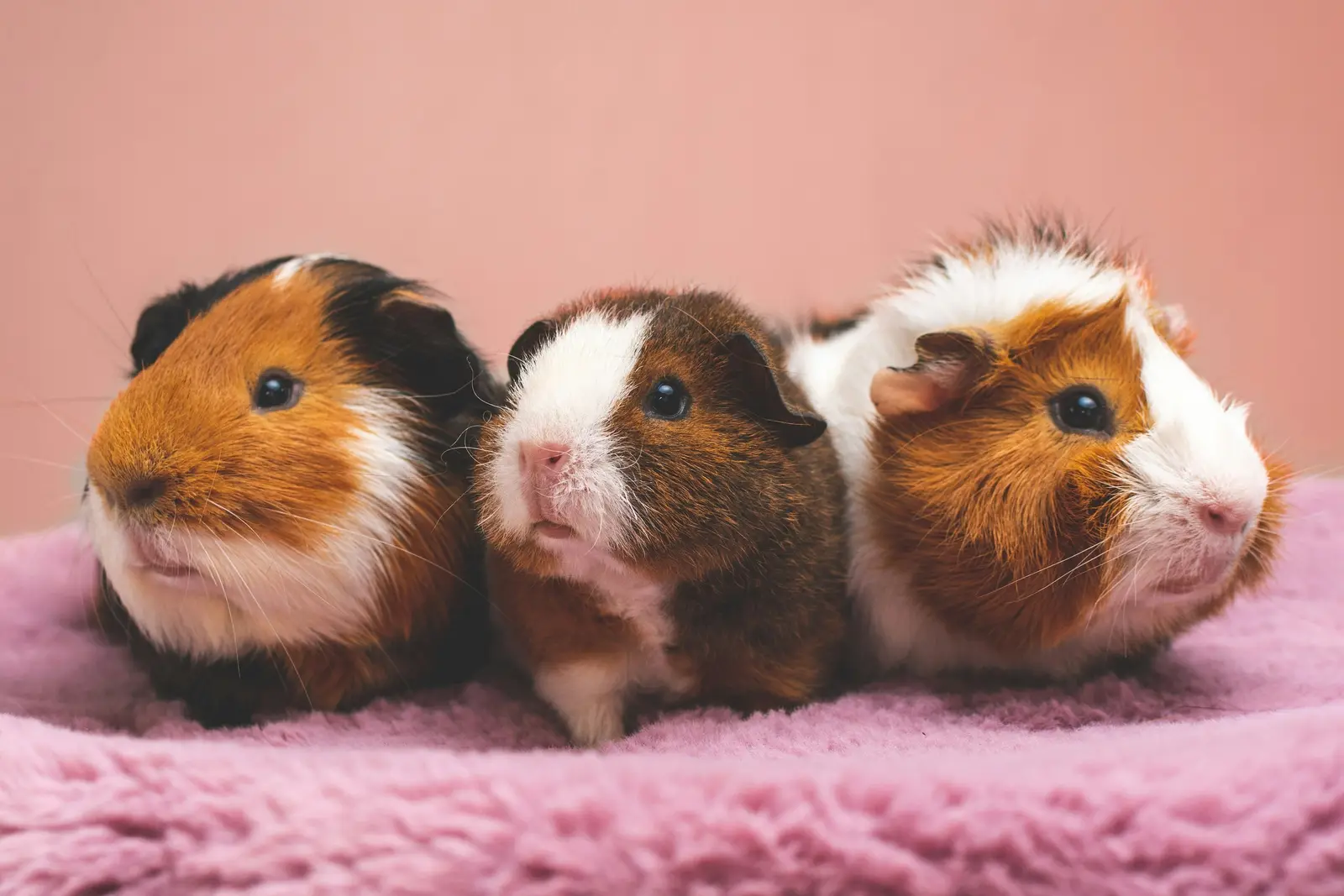
Adopting Pip, Peggy and PomPom: what three guinea pigs need
Pip, Peggy and PomPom are three one-year-old guinea pigs at Blue Cross's Burford rehoming centre, and they need an indoor home together. Here is what the profiles say, and what three guinea pigs need.
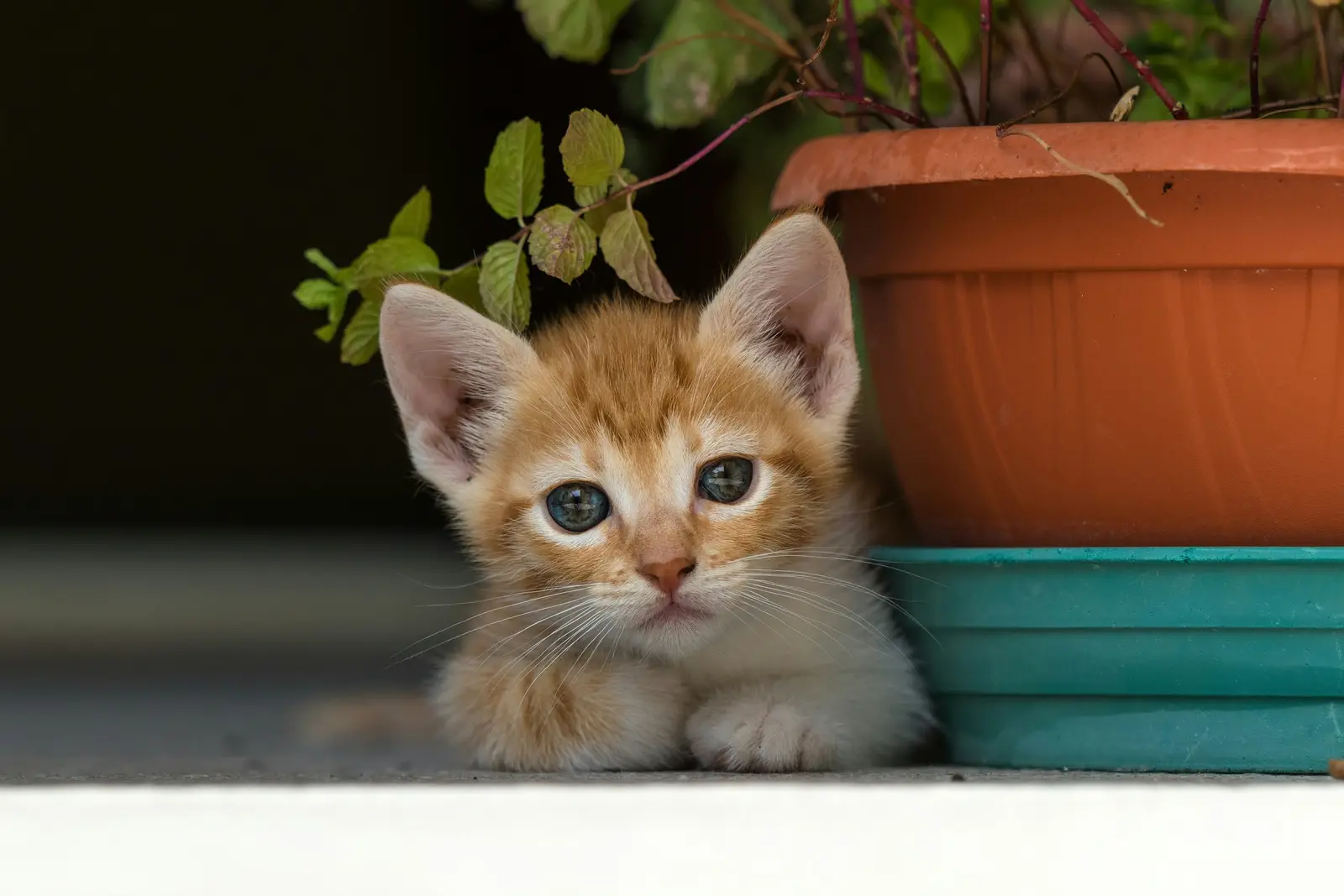
What caused the blaze? A two-month-old kitten named Blaze
Blaze is a two-month-old domestic short hair at Blue Cross's Thirsk centre. His listing is an adoption profile, not a fire report, and here is what to check before you apply.
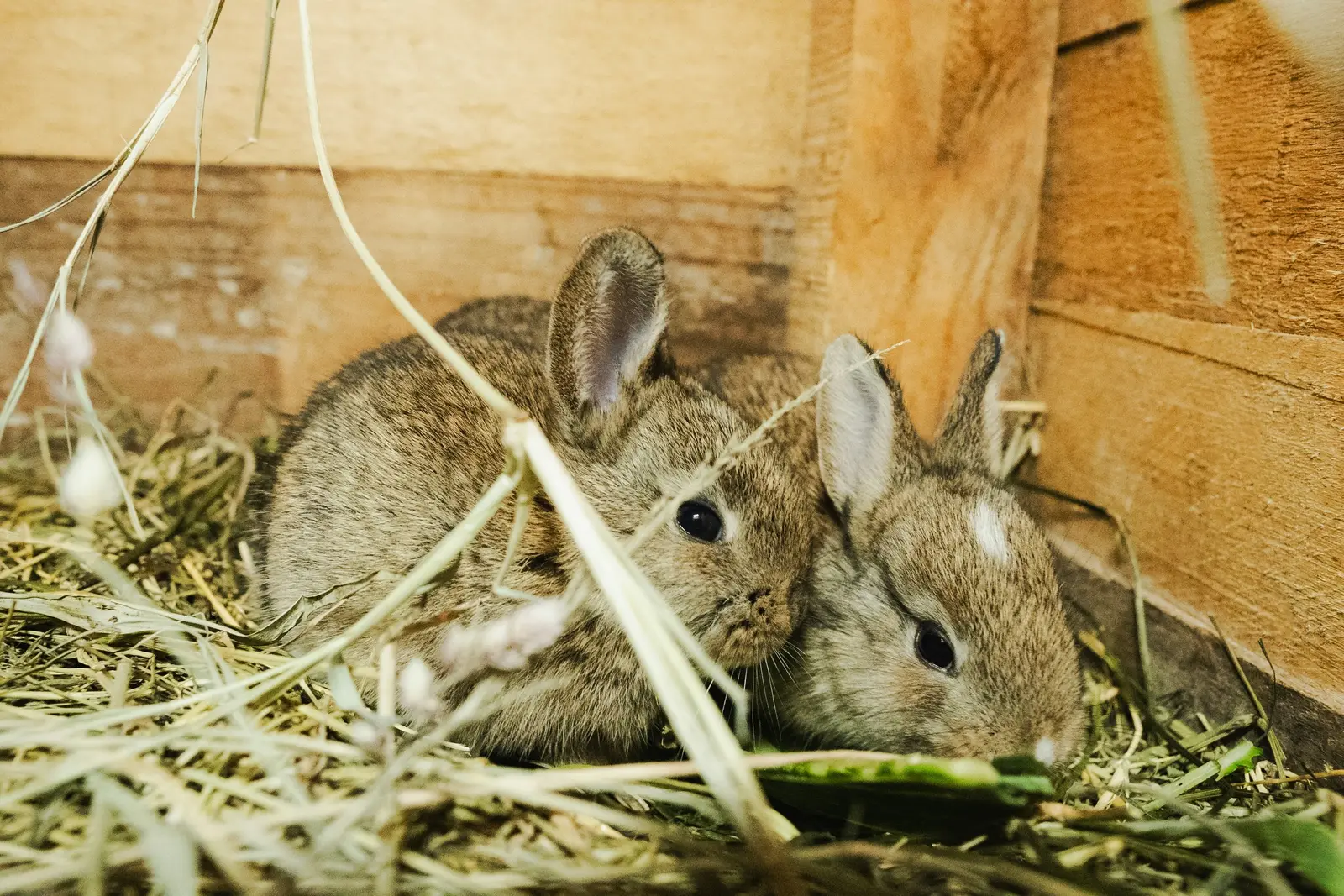
Bugsy Malone rabbit: what the 6-month-old crossbreed needs
Bugsy Malone is a 6-month-old crossbreed rabbit at Blue Cross's Burford centre who needs a neutered female companion and an owner who has bonded rabbits before. His profile, explained.