Beach house & Dogs: How to stop sand at the door
Sand scratches tile and grout holds it; humidity is what keeps it there. A practical order for cleaning beach house floors when a dog is coming in and out all day.
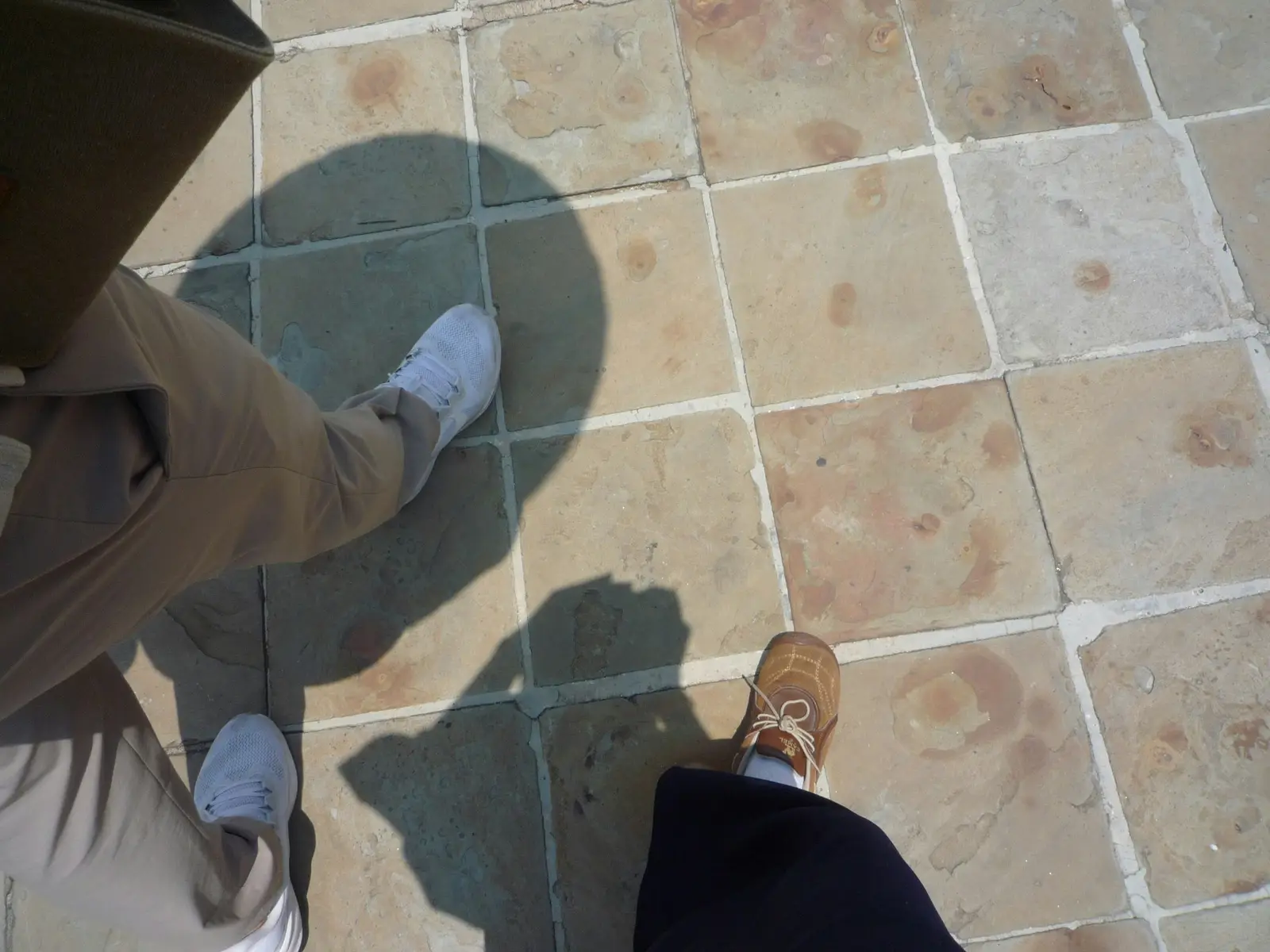
To keep beach house floors clean, work in one order: stop sand at the door, lift it dry, then deal with moisture. Sand is grit you can see, and it marks some tile finishes when it gets pushed around. Moisture is the slower problem, sitting in grout lines and in the still corners where coastal air does not move. Get the order right and a weekly routine is enough. Get it backwards, mopping over sand, and you drive grit into the grout and leave water behind to grow mildew.
Tile is the usual floor in coastal Florida homes because it handles damp better than wood-based flooring and is easier to maintain in warm weather. A Space Coast cleaning guide in K9 Magazine makes that point and adds two caveats worth keeping: sand can scratch certain finishes, and grout collects dirt. The same guide flags moisture lingering in poorly ventilated areas as a mildew risk. A beach house with a dog adds wet towels and a door that opens onto sand, so the cleaning has to target those as well as the floor itself.
Vacuum the sand before any water goes down
Dry sand is easy to remove. Wet sand is not. Pushing it around with a dragging broom or a dry string mop grinds it into the tile finish, which is how a floor ends up with a dull traffic line that no amount of mopping fixes. Vacuum it instead. A wet-dry vacuum earns its storage space in a beach house because it takes a full beach day's grit and the muddy water off wet paws without needing a second tool.
Do not mop first. Water turns sand into a thin slurry that settles into the grout and dries there, and you will be scrubbing that line for months. If you only have five minutes, vacuum the path from the door to the kitchen, the bathroom floor, and the spot where the dog sleeps. Those three areas catch most of what comes in.
Humidity is the slower problem
A washed floor in coastal air can stay damp for hours. In a closed-up house, that damp sits in the grout and along the baseboards, and it is the condition mildew needs. Two habits do more than a stronger cleaner: dry the floor after washing, with a dry microfiber pad or a fan, and get wet mats and dog towels off the floor and into a basket where air reaches them.
Run the extractor fan in the bathroom, leave the ceiling fan on after a wash, and open the windows on a dry day. If a corner smells musty and stays dark, look for the moisture source before you scrub the mark again.
Grout needs a brush and a sealer
Grout is porous, so it holds fine sand and oils, and the traffic line from the door to the kitchen shows it first. Scrub with a stiff brush and the least water that does the job, then dry it. Flooding grout pushes dirt deeper and leaves moisture in place.
Sealer is the step most owners skip. If water beads on the grout, the sealer is working. If it soaks straight in, every muddy paw print will leave a mark, so seal before summer, when the grout is dry and the house is quiet. Steam cleaning gets asked about a lot. Whether it suits your floor depends on the tile and the sealer, so check the manufacturer's instructions for both before you try it.
Pros
- Tile tolerates damp better than wood-based flooring, which matters in a house that is empty for weeks at a time
- It is easy to maintain in warm weather: vacuum, mop with little water, dry
- Sand and muddy paw prints come off a sealed tile floor with a vacuum and a towel
Cons
- Sand can scratch certain tile finishes if it gets dragged around dry
- Grout collects dirt and holds moisture, so it needs brushing and resealing
- In still, humid air a washed floor stays damp long enough to smell musty
Set up the entryway before you need it
Every grain stopped at the door is a grain you do not vacuum off the kitchen floor. Two mats do the work: a coarse one outside to scrape sand off shoes and paws, and an absorbent one inside to catch what is left. Add a shallow basin of fresh water, a stack of towels, and a basket for the wet ones.
Rinse a dog's paws after the beach, then dry them, including between the toes and around the pads. A paw that stays damp is a paw a dog will lick at all evening. If the skin between the pads stays red, smells yeasty, or the licking does not stop, book a vet visit. That is past what a floor routine can fix.
Stormwater is not an ordinary spill
Water that comes in under a door during an afternoon storm carries soil and whatever was on the street. The Space Coast guide treats it separately from a dropped drink, and that is the right call. Mop it up with a detergent solution, dry the area fully, and keep the dog off it until the floor is dry. A fan and an open window do more than a second pass with a wet mop.
A routine that holds up over a rental week
- Daily: vacuum the entry path, the kitchen, and the dog's sleeping spot, and shake out the outdoor mat.
- After every beach trip: rinse and dry the dog's paws before it comes inside.
- Weekly: mop with the least water that works, dry the floor afterwards, and wash the indoor mat.
- Monthly: brush the grout along the traffic line and check whether water still beads on it.
- Before summer: reseal the grout if it needs it, wash both mats, and check that the bathroom and kitchen extractor fans work.
If you do one job this weekend, make it the doorway: two mats, a basin of fresh water, and a towel stack. It removes more sand from the house than any change to how you mop.
Questions about beach house floors and dog paws
- Can I just mop a sandy floor?
- No. Water turns sand into a slurry that settles into the grout and dries hard. Vacuum or sweep it up dry first, then mop with as little water as you can and dry the floor afterwards.
- How do I stop sand coming in with the dog?
- Two mats and a paw rinse. A coarse outdoor mat scrapes sand off, an absorbent indoor mat catches the rest, and a basin of fresh water plus a towel lets you rinse and dry paws before they cross the room.
- Does humidity really damage tile floors?
- The tile handles damp better than wood-based flooring. The grout and the shaded corners are what suffer, because moisture that lingers in poorly ventilated rooms can lead to mildew. Dry floors and keep air moving.
- How often should I clean beach house floors?
- Vacuum the entry and kitchen daily, mop weekly with minimal water, brush grout monthly, and reseal when water stops beading on it. Clean sooner after a storm or a wet beach day.
- Is steam cleaning safe for tile and grout?
- Check the manufacturer's instructions for both your tile and your sealer first. Steam puts moisture into grout, which is the thing you have been trying to keep out of it.
- What about wet dog paws on tile?
- Dry them. Rinse with fresh water after the beach, then towel between the toes and around the pads. Licking that does not settle, or skin that stays red or smells yeasty, is a vet question.
Sources
You might also like

Best eye supplements for dogs: what the ingredient list hides
Eye supplements for dogs are built on lutein, zeaxanthin, omega-3s and vitamin E. Here's what the labels don't tell you, and when the eyes need a vet instead.

Best dog advent calendars: four checks before you spend
Dog advent calendars come as treat boxes, toy boxes or refillable drawers. What to check before you buy, and why last year's photo is not the box you get.
Best dog products online: 17 best sellers sorted by need
A 17-item dog best-seller list holds five grooming products, four chews and four supplements. Here's which are low risk, and which need your vet before you pay.