How to help feed shelter dogs, and what shelters actually need
Cash buys more meals per dollar than a retail bag, and it covers the vet bills food donations leave behind. Here's how to help feed shelter dogs without wasting money or kibble.

On this page
You can help feed shelter dogs by giving money, by buying from the shelter's published wish list, or by shopping through a program that turns a purchase into donated meals. Money goes furthest: a shelter buys food in bulk at prices you don't get in a pet store, and what's left over pays the vet bills that food donations don't cover. A donated bag still helps, but only when it's sealed, in date and the kind of food the shelter already feeds.
Ask the shelter what it needs first
Most shelters and rescues post a wish list on their website or social media. It's usually short: adult maintenance kibble, puppy food, wet food for older dogs, blankets, laundry detergent. Call the office or send a message and ask what's running low this month. Storage is limited, and a shelter sitting on three pallets of the same kibble will either turn your bag away or feed it and hope the date holds.
The food a shelter feeds is often set by a contract with a manufacturer or a bulk supplier. The brand on the shelf may be fixed, which turns your bag of something different into a problem the staff have to manage: a diet change for a whole kennel, then a change back two weeks later when the bag runs out. Sudden switches upset digestion. If you're donating food, donate the food they already use.
Why cash usually beats a bag of kibble
The math favors the shelter. A rescue buying on a trade account pays less per pound than you do at retail, and it can buy exactly the amount it needs, when it needs it. The same money spent through the shelter's account buys more meals than it does in a store.
Cash also covers what a bag of food can't. iHeartDogs, which runs a donation scheme with Greater Good Charities, says the meals it has funded, 45,783,711 so far, take pressure off shelter budgets so money can go toward veterinary care and medication. The same logic holds at a local level: a dog with a heart condition needs a vet far more than he needs a second brand of kibble. The charity's own write-up mentions Butters, a dog at Adopt a Dog in western Oklahoma whose grade IV heart murmur is now controlled. That's the kind of bill donated food helps free up.
If you're buying food anyway, buy complete food
Check the label before you pay. Look for a statement that the food is complete for a named life stage, something like "complete food for adult dogs" or "complete food for growing puppies." That wording means the recipe was formulated to meet a recognized nutrient standard, such as WSAVA or FEDIAF guidance. "Complementary" means it's a topper, and it won't feed a kennel on its own.
Skip opened bags, split bags, anything past its date, and any home-cooked or raw food. A shelter can't take the risk, and a kennel isn't the place to find out how a dog handles an unfamiliar diet. Sealed treats are welcome if they contain no chocolate, raisins, grapes, onions, garlic, macadamia nuts or xylitol, all of which are toxic to dogs at small doses. When in doubt, ask before you hand it over.
Give through a program that does the buying
Retail donation programs work on a simple model: you buy something for your own dog, the company puts a share toward shelter meals, and a charity partner does the bulk buying and distribution. One purchase can turn into several meals that way. The catch is that the meals are only as real as the published numbers, so check that the scheme names its charity partner and reports a running total before you count a purchase as a donation. iHeartDogs does both, naming Greater Good Charities and reporting 45,783,711 meals donated.
Fostering feeds a dog and frees a kennel
Food is one line in a shelter budget. Space is another. A foster home takes a dog out of a kennel, which lets the shelter pull another dog from a pound, and many rescues supply food for the length of the placement. If fostering isn't possible, walking dogs, doing laundry, driving animals to vet appointments and taking photos for adoption listings all save staff time that goes back into care.
What doesn't help, even when it's kind
Leaving food at the gate overnight, dropping off a torn bag, or clearing the discount shelf into a shelter's lobby all create work for people who are already stretched. Human food, bones and home-cooked stews aren't a kindness to a dog with an unknown medical history. Call first and none of this happens.
If your own dog has switched to a prescription diet and you have an unopened bag of the old food, ask the shelter whether it has a dog who needs it. A renal or hydrolyzed diet suits one dog and does nothing for the rest of the kennel.
Five things you can do this week
- Call your local shelter and ask which food is short this month.
- Give money rather than a bag if you're undecided: it buys more meals and covers vet bills.
- Buy from the wish list, sealed and in date, and check the label says complete.
- Sign up to foster or walk dogs if you have time rather than cash.
- Check that any retail donation program names its charity partner and publishes a total.
Frequently asked questions
- Can I donate opened bags of dog food to a shelter?
- No. Once a bag is open, staff can't verify how it was stored or whether it's been contaminated, and they can't risk feeding it to a kennel of dogs. Sealed, in-date bags are welcome, and so are unopened cans and pouches. Call ahead if you're unsure the shelter uses that brand.
- Is it better to donate money or dog food?
- Money, in most cases. A shelter buys food in bulk at trade prices, gets exactly the amount it needs, and can put the rest toward veterinary care. Food is the better gift when the shelter publishes a wish list and you buy from it. Ask which is more useful this month.
- What food do shelters need most?
- Whatever is on their wish list. Adult maintenance kibble is the usual request, with puppy food and wet food for older dogs close behind. Shelters with a manufacturer contract may not be able to use other brands at all. Ask before you buy, and check the label says the food is complete for a named life stage.
- Can I help feed shelter dogs without donating money?
- Yes. Fostering, walking dogs, doing laundry, driving animals to vet appointments and sharing adoption posts all take pressure off staff. Some shelters also run pet food banks and need volunteers to sort and hand out donations. Call and ask what's short that week.
- How do I check a donation scheme actually feeds dogs?
- Look for a named charity partner and a published running total, not a vague promise. iHeartDogs names Greater Good Charities and reports 45,783,711 meals donated. If a company won't say which charity receives the money or how many meals have been funded, treat the claim as marketing.
- Are treats okay to donate?
- Yes, if they're sealed and contain no xylitol, chocolate, raisins, grapes, onions, garlic or macadamia nuts. Small soft treats are more useful than a bulk box of chews, because staff can use them for reward-based training with the dogs. Label anything unusual so staff don't have to guess.
Sources
You might also like
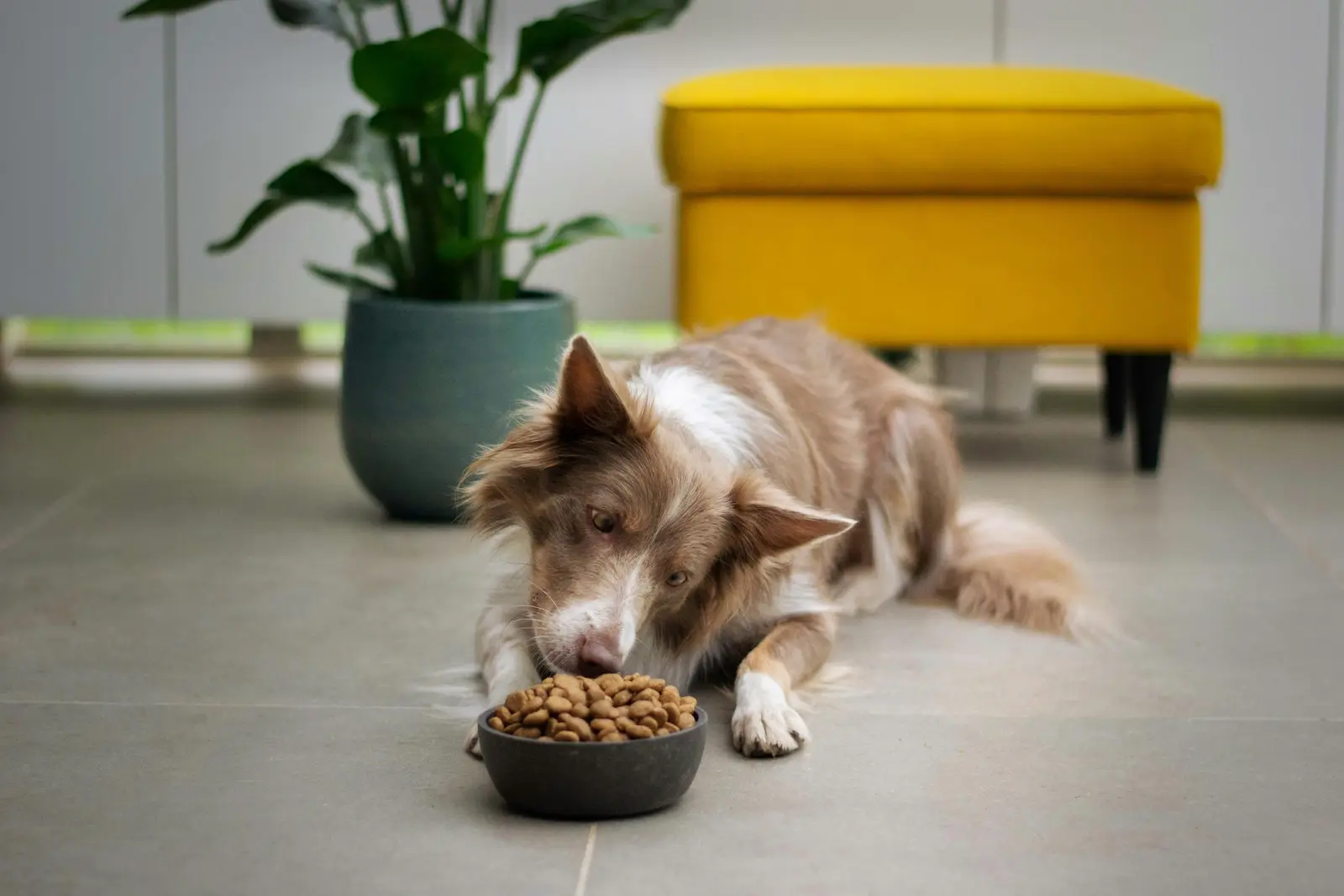
Frozen vs refrigerated fresh dog food: which fits your week
Both are cooked fresh food; the frozen version keeps far longer and lets you thaw a portion at a time, while the chilled version is ready to serve but starts a clock once opened.
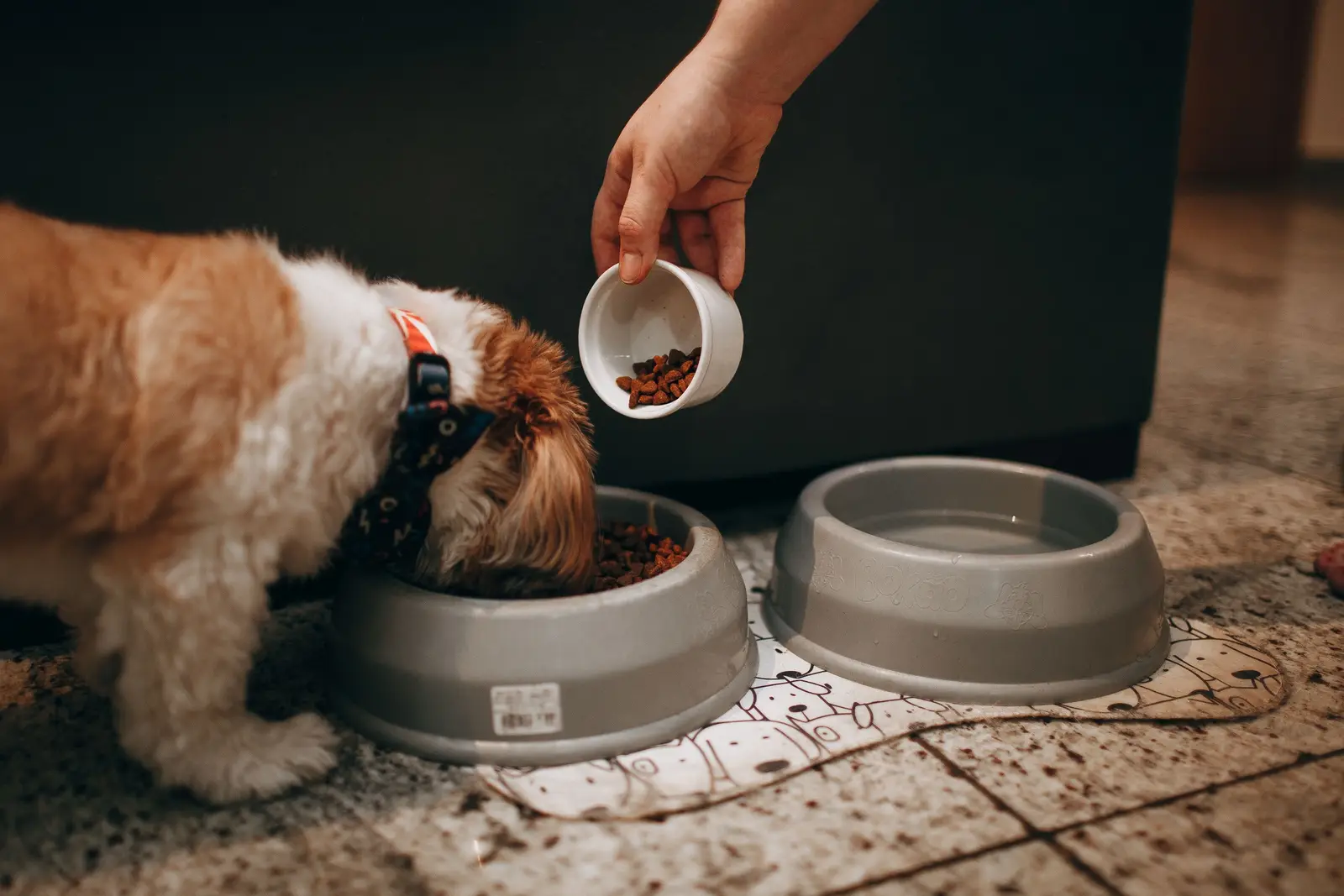
How much to feed an active dog: the bag chart is a start
Feeding an active dog comes down to calories and body condition. Start with the label chart, raise portions in steps of about 10 percent, and check the ribs every week.
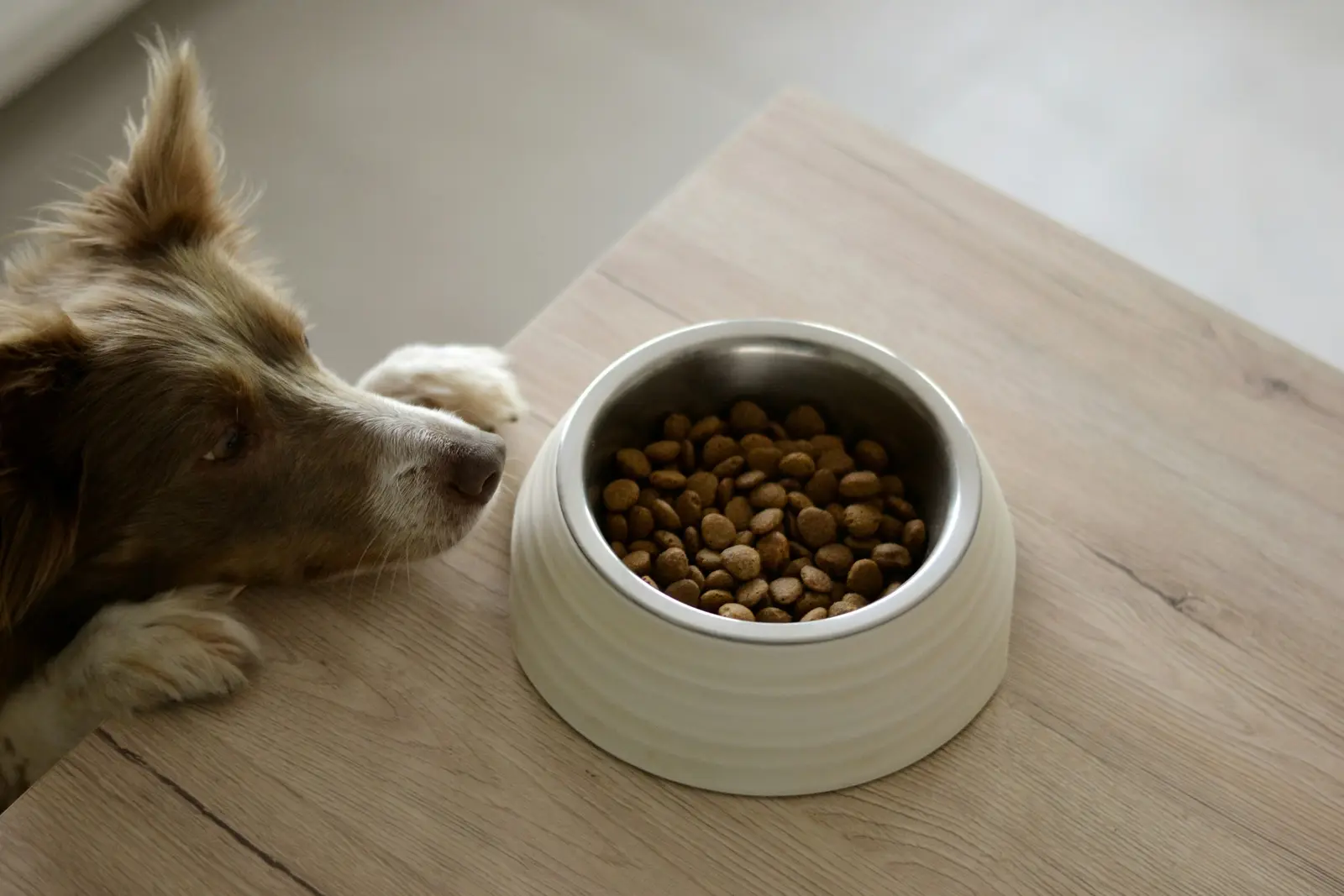
Supplements for dogs: most don't need them, four groups do
Most healthy dogs on a complete and balanced diet don't need a supplement. Here's who does, what the four common vitamins do, and why the label matters more than the marketing.