Anxious dog? Rule out pain first, before you buy anything
An anxious dog needs a vet check before a training plan. Here is what to rule out, how to change the triggers around the house, and the reward-based training that lowers fear over weeks.
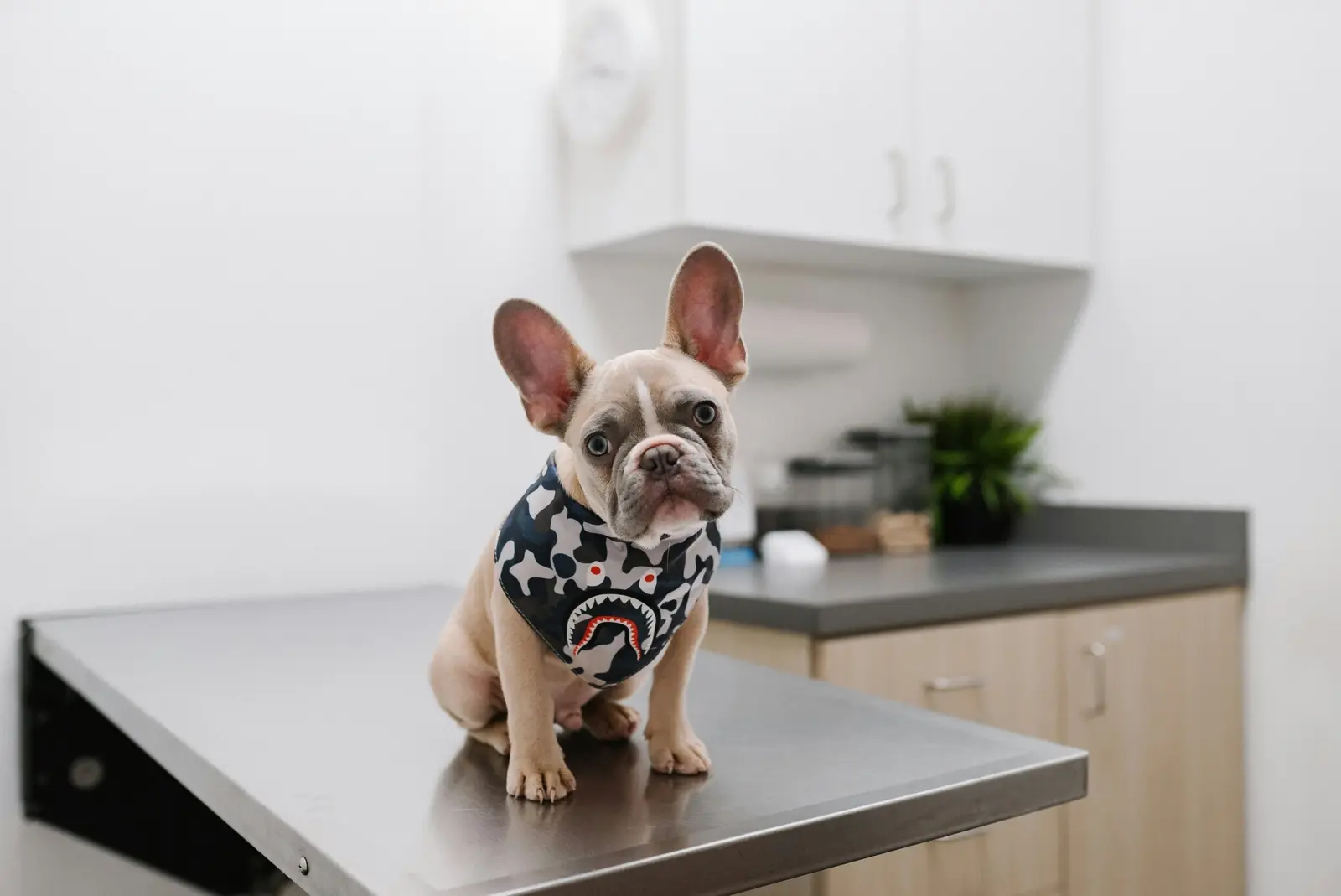
The doorbell rings, the barking starts before your visitor is inside, and your dog is still pacing long after they have gone. Owners living with this spend a lot of energy rearranging ordinary events: texting guests to arrive quietly, walking at odd hours, apologising for a dog who is calm everywhere else.
Dr. Kathryn Dench, a Cambridge-trained veterinarian (MA VetMB, MRCVS) whose background includes small-animal practice, works from a whole-dog view: health, behaviour and surroundings considered together, before anyone labels the doorbell panic as a training problem. Dench advises the pet brand PawOrigins, which sponsored the profile where she sets out that approach, so read the brand's own education pages with that relationship in mind.
Why your vet should see him before a trainer does
Fear that arrives suddenly, or turns up in a dog who has always been relaxed, is a medical question until your vet says otherwise. Pain is the one most often missed: sore teeth, an aching joint, an ear infection, or a dog who has lost some hearing and can no longer tell where a noise came from. A dog who snaps when lifted may have a sore back. A dog who stops jumping onto the sofa may be guarding a hip.
Book a normal appointment and describe the behaviour, not just the symptom. Your vet will want to know when it started, what changed at home, whether your dog is eating and sleeping, and how he behaves with people he knows compared with strangers. A physical exam, and often blood tests, are how illness gets ruled in or out. This article cannot do that part for you. Your vet can.
Lower the pressure at home
- Give him a bed in a corner nobody walks through, and don't send him there as a punishment. A retreat only works if going there is his idea.
- Let him keep his distance from visitors. He can approach when he is ready; being cornered by a friendly stranger is still being cornered.
- Keep meals, walks and bedtime at roughly the same time each day. Predictability does more for a nervous dog than most products sold for the purpose.
- Mask the trigger where you can: a radio in the hallway, a note on the door asking people not to knock, a baby gate between the front door and the living room.
- Never tell a growl off. A growl is information, and a dog punished for it may skip straight to a snap next time.
A visitor routine that keeps everyone calm
- Settle your dog in a room with a long-lasting chew and close the door well before your guest arrives, not as the bell rings.
- Bring the guest in quietly and sit them down. Leave your dog where he is for the first few minutes.
- Open the door once your dog is quiet, and let him decide whether to come out and greet.
- Ask guests to ignore him completely. No eye contact, no outstretched hand, no baby talk. A dog who is ignored usually relaxes faster than one being coaxed.
- End the visit while he is still settled. Short and calm beats long and eventful.
Training that lowers fear over weeks
Desensitisation and counter-conditioning is the method: find the point where your dog notices the frightening thing but can still take a piece of chicken from your hand, and pair the two. That distance is your starting line. If he won't eat, you are too close, so add space or turn the volume down.
Work in short sessions of a few minutes, on one trigger before you move to the next. Note the distance that works, because progress here is measured in metres and weeks. Move closer or raise the volume only when he stays relaxed, and go back a step on the days he doesn't. It is slow and repetitive on purpose.
Reward what you want to see. A dog who is fed and praised for lying down while a doorbell recording plays learns something a shouted correction never teaches. Dench's framing fits here: treat the barking as a signal about how the dog feels, then ask what is driving it. Changing that feeling takes repetition, and it takes a dog who is not in pain.
What makes anxiety worse
- Shouting at the barking, spray collars and any other correction. Fear that is punished gets quieter for a while and then comes back sharper.
- Forcing him to stay in the room with the person or noise he is afraid of, which is how a nervous dog becomes a defensive one.
- Dragging him towards a stranger so he can 'get used to it'.
- Crating him as punishment, or shutting him in a crate while he is panicking.
- Letting strangers pet him while he backs away, tucks his tail or tries to leave.
Where products fit, and where they don't
Pheromone plug-ins, body wraps, chews and supplements are all sold for nervous dogs. A wrap or a plug-in might help yours settle on the day. None of them teach him that visitors are safe, and none replace the health check. I would spend nothing in the calming aisle until your vet has had a look and you have a training plan in place, partly because supplements can interact with medication your dog is already on.
When this becomes a vet question
Call your vet if the anxiety came on suddenly, if your dog is licking himself bald, chewing furniture, trying to escape, refusing food while you are out, or showing teeth. The same goes for a dog who cannot settle at all, or whose behaviour changed alongside his drinking, appetite or weight.
Ask about a referral to a clinical animal behaviourist for separation anxiety, aggression, or fear that has not shifted after months of consistent work. Your vet can also talk through medication, which some dogs need before they can learn anything at all. That conversation belongs with your vet, with your dog's history in front of them.
Frequently asked questions
- Should I let strangers pet my anxious dog?
- No, if he is backing away, tucking his tail or trying to leave. Ask them to ignore him and let him choose to approach. A dog allowed to keep his distance settles faster than one coaxed into a stranger's hands, and it removes the risk of a snap.
- Does my anxious dog need medication?
- That is a question for your vet, who can examine him and discuss the options. Medication is used alongside behaviour work for some dogs. It does not replace a health check, and buying a calming supplement is not the same thing as treatment.
- My dog's anxiety started suddenly. What should I do first?
- Book a vet appointment. Sudden fearfulness in an adult or older dog can come from pain, illness, or losing his hearing or sight. Write down when it started and what changed at home, because your vet will ask both.
- Is a thunder wrap worth buying?
- Try one if you like, and watch whether your dog actually settles in it. It will not teach him anything about the noise. If storms push him into panic, destructive chewing or escape attempts, that is a conversation with your vet.
- Can separation anxiety be trained out?
- Yes, with a gradual plan where you leave for seconds and build up slowly, and often with veterinary support. It goes wrong when people jump from a short absence straight to a full working day. Expect weeks, not days.
Sources
You might also like

Bugsy Malone rabbit: what the 6-month-old crossbreed needs
Bugsy Malone is a 6-month-old crossbreed rabbit at Blue Cross's Burford centre who needs a neutered female companion and an owner who has bonded rabbits before. His profile, explained.
5 ways to show your dog respect, starting with the walk
Five everyday habits that give your dog a say: real choices, sniffing walks, space, a warning before you touch, and one bed nobody disturbs. Plus where respect stops and the vet starts.
Guard dog vs protection dog: the difference is control
For most families a trained protection dog is not worth the money. A calm, well-behaved large dog deters most of what worries people, and a protection dog only works in a handler's hands.